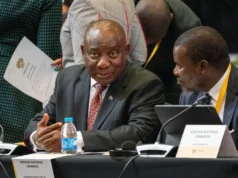
The South African Presidency has moved swiftly to clarify President Cyril Ramaphosa’s position after a controversial figure appeared in photographs taken during his recent working visit to Zimbabwe.
Presidency spokesperson Vincent Magwenya said the president had no prior knowledge that Zimbabwean businessman Wicknell Chivayo—who is wanted by South African authorities—would be present during the meeting.
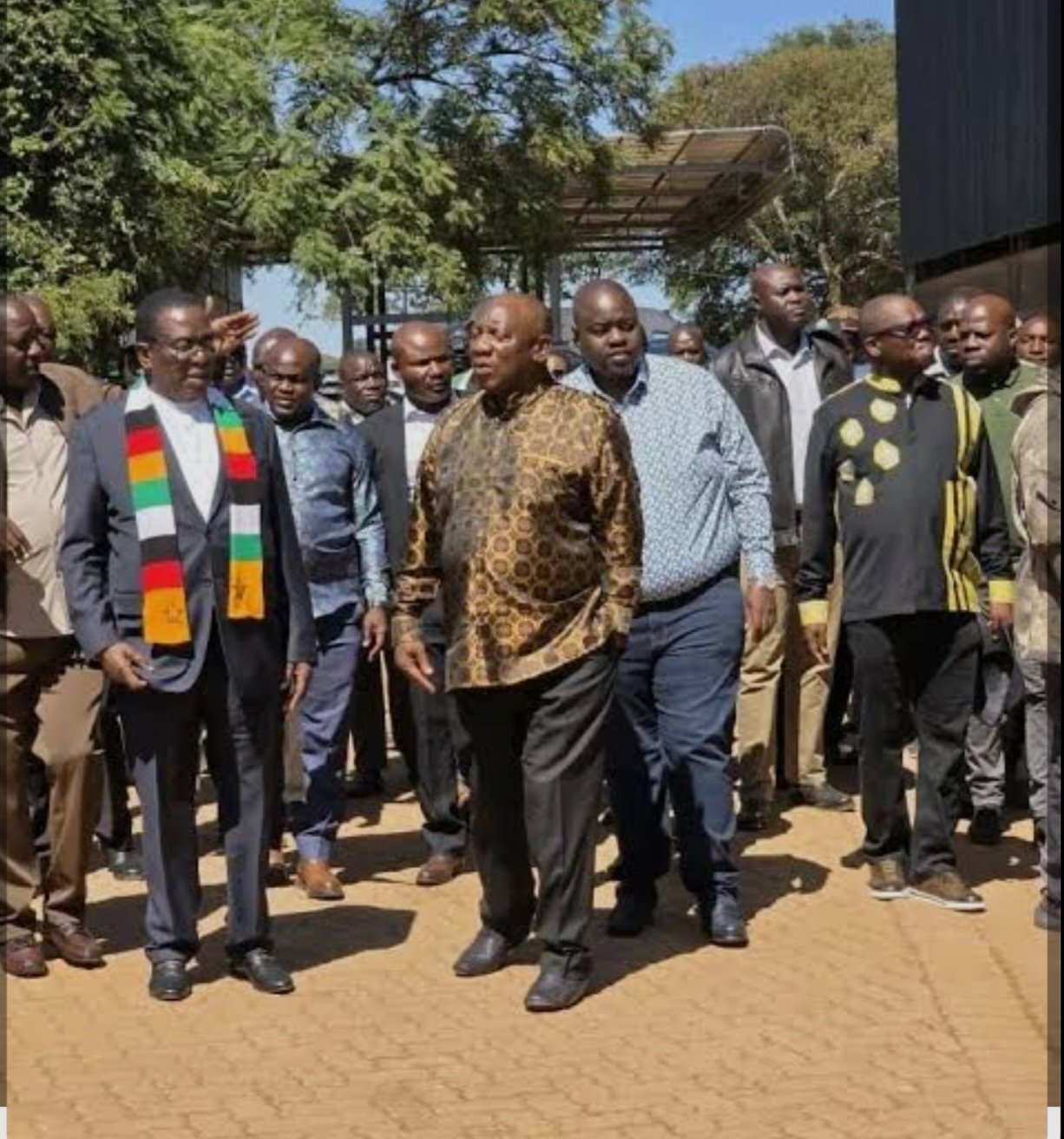
Ramaphosa travelled to Zimbabwe over the weekend where he met with Emmerson Mnangagwa at his private Precabe Farm residence in Kwekwe. The visit formed part of ongoing bilateral engagements between the two neighbouring countries, focusing on strengthening diplomatic and economic ties.
However, images circulating online shortly after the meeting sparked widespread reaction. In the photos, Ramaphosa is seen alongside Mnangagwa and Chivayo, a businessman whose financial dealings have come under scrutiny in both Zimbabwe and South Africa.
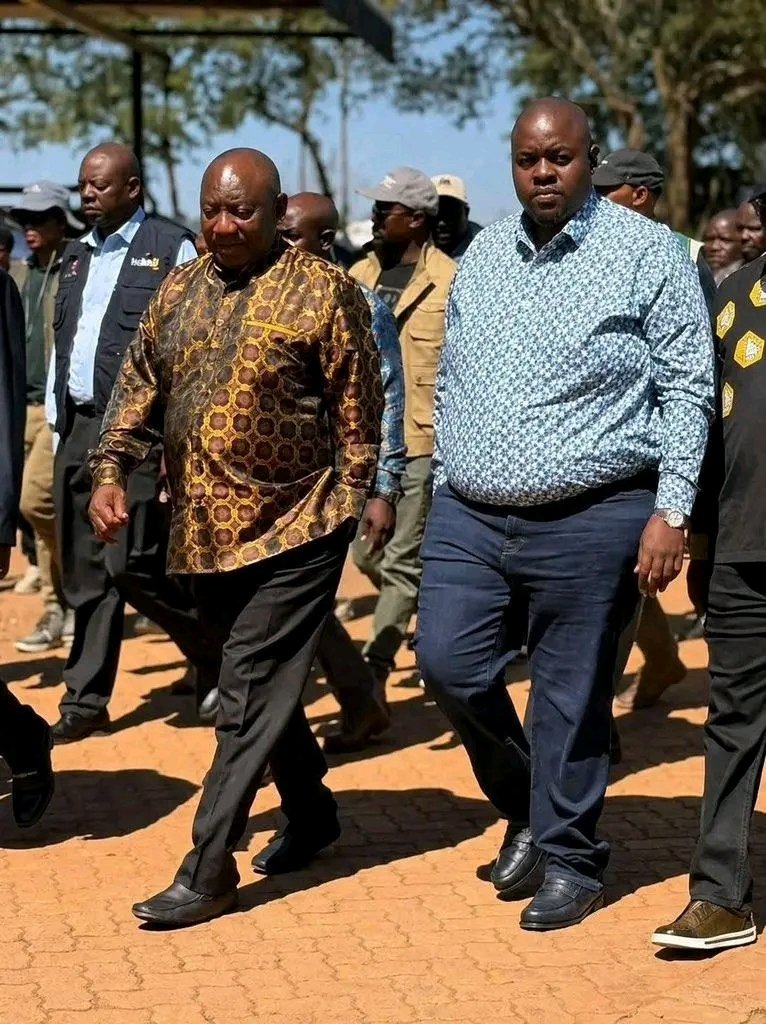
Chivayo has been linked to several high-profile controversies, including allegations of corruption tied to government contracts in Zimbabwe. In South Africa, his assets have reportedly been frozen while the Directorate for Priority Crime Investigation—commonly known as the Hawks—continues to investigate him for suspected money laundering and related financial crimes.
Addressing the issue during a media briefing in Parliament on Wednesday, Magwenya stressed that the president was not involved in arranging the guest list for the meeting.
“President Ramaphosa had no prior knowledge of who would be present during the visit, nor is he familiar with the said individual,” Magwenya said, adding that diplomatic visits often involve hosts determining attendees.
The Presidency’s response comes amid mounting criticism from opposition parties and civil society groups. The Democratic Alliance (DA) was among the most vocal, questioning the judgment behind the visit and raising concerns about the optics of engaging in settings where controversial figures are present.
Critics have argued that the incident highlights the complexities of regional diplomacy, particularly when engaging with leaders whose administrations have faced allegations of governance and corruption challenges. Zimbabwe’s political landscape remains a sensitive issue for many South Africans, especially given the long-standing economic and migration ties between the two nations.
Despite the backlash, analysts note that South Africa and Zimbabwe maintain deep economic interdependence, with Pretoria often playing a key role in regional mediation efforts. Diplomatic engagements between the two countries are therefore not unusual, even amid political tensions.
Meanwhile, calls are growing for greater transparency in high-level diplomatic visits, especially when they involve private venues rather than official state settings. Some political commentators have suggested that future engagements should include stricter protocols to avoid reputational risks.
The Presidency has not indicated whether any further steps will be taken regarding the matter, but Magwenya reiterated that Ramaphosa remains committed to maintaining strong bilateral relations with Zimbabwe while upholding South Africa’s legal and ethical standards.
As scrutiny continues, the incident has once again placed a spotlight on the delicate balance between diplomacy and accountability in Southern Africa’s political landscape.