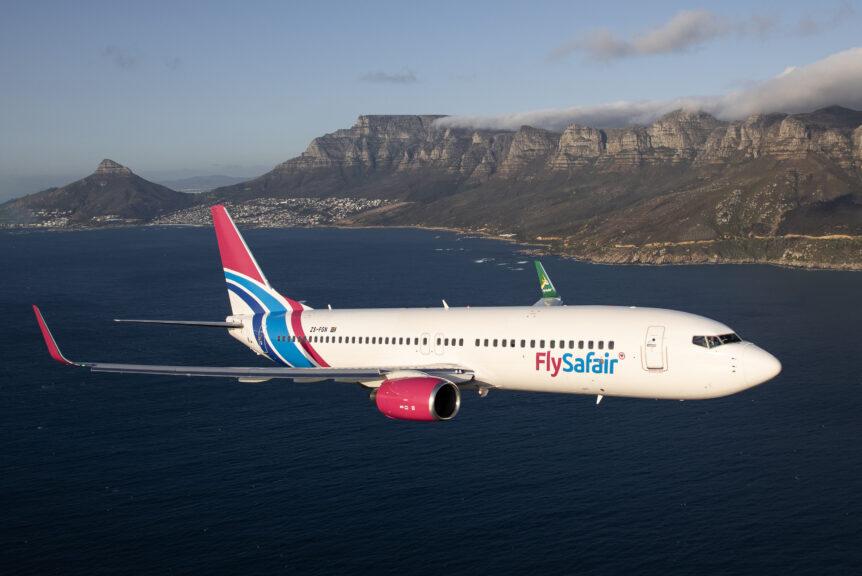
Low-cost airline FlySafair has defended its practice of overbooking flights, describing it as a common and globally accepted strategy used by airlines to maximise seat occupancy and keep fares affordable for passengers.
The airline has come under public scrutiny after some travellers complained about being denied boarding despite holding confirmed tickets, reigniting debate around the controversial airline industry practice.
Overbooking occurs when airlines sell more tickets than there are available seats on a flight, anticipating that a certain number of passengers will not show up. According to FlySafair, this method helps reduce the financial impact of empty seats and allows airlines to maintain lower ticket prices for consumers.
In response to recent criticism, the airline said overbooking is a “standard global aviation practice” used by carriers worldwide and is carefully managed using historical travel data and predictive booking models.
“Like many airlines around the world, we may occasionally overbook certain flights based on expected no-show trends. This helps ensure flights operate at full capacity and supports affordable pricing for all passengers,” the airline said in a statement.
FlySafair stressed that only a small percentage of flights are affected and that it follows established procedures when passengers cannot be accommodated. These may include offering alternative flights, travel vouchers, compensation, or refunds depending on the circumstances.
The issue has drawn frustration from affected passengers, some of whom have taken to social media to express anger after being bumped from flights, causing delays to business trips, family events, and holiday plans.
Consumer rights advocates say while overbooking may be legal and common, airlines must communicate clearly with passengers and ensure fair treatment when disruptions occur.
In South Africa, airline overbooking is regulated under consumer protection laws, which require airlines to assist passengers who are denied boarding involuntarily. Travellers may be entitled to compensation or alternative arrangements depending on the terms and conditions of their ticket and the reason for the disruption.
FlySafair, one of South Africa’s busiest domestic airlines, has built a strong reputation for punctuality and affordability, making it a popular choice among local travellers. However, the recent controversy has prompted renewed calls for greater transparency around booking policies and passenger rights.
Aviation analysts note that overbooking is not unique to FlySafair and is practiced by major international airlines including British Airways, Delta Air Lines, and Emirates.
For passengers, experts recommend checking in as early as possible, arriving at the airport on time, and understanding airline policies regarding denied boarding to minimise the risk of disruption.
As debate continues, FlySafair maintains that overbooking remains an essential operational tool—one that, when managed properly, benefits both the airline and the travelling public.