
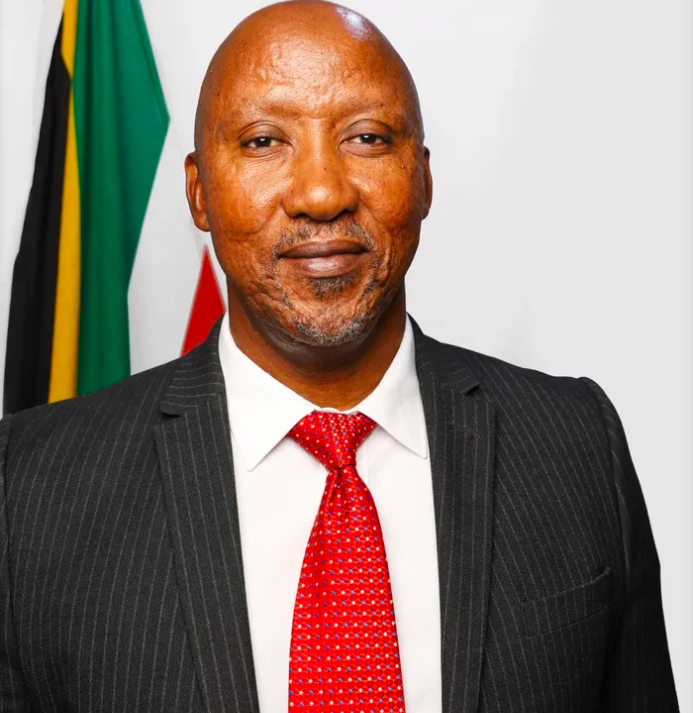
South Africa’s anti-corruption efforts have come under renewed focus after the Special Investigating Unit (SIU) revealed that contracts worth R1.1 billion have been referred to municipalities for possible civil proceedings, following years of investigations into irregularities at local government level.
The findings, which date back to 2012, were presented by SIU acting head Leonard Lekgetho during a briefing to Parliament’s Standing Committee on Public Accounts (Scopa). The update paints a concerning picture of governance failures and financial mismanagement across several municipalities.
According to Lekgetho, the SIU has identified numerous contracts that may have been unlawfully awarded or improperly managed. These contracts, collectively valued at R1.1 billion, have now been referred back to the affected municipalities for civil action, which could include efforts to recover funds or cancel agreements found to be irregular.
In addition to these referrals, contracts worth R545 million have already been declared invalid and set aside during the same period. This step effectively nullifies agreements deemed to have violated procurement regulations or legal standards, highlighting the scale of irregular expenditure within local government structures.
Despite the significant figures involved, the SIU’s recovery efforts have so far yielded relatively modest results. Lekgetho told the committee that only R1.1 million has been successfully recovered to date. However, investigations have identified a further R58.9 million in potential recoverable cash or assets, suggesting that more funds could still be reclaimed as processes unfold.
The briefing also shed light on the broader consequences of the SIU’s investigations. A total of 362 cases have been referred to the National Prosecuting Authority (NPA) for criminal investigation, indicating that many of the matters uncovered may involve serious legal violations. In addition, 222 referrals have been made for disciplinary action against implicated officials, while 629 cases have been flagged for administrative action.
These figures underscore the widespread nature of governance challenges facing municipalities, where issues such as procurement irregularities, fraud, and abuse of power continue to undermine service delivery.
Lekgetho further outlined the current status of investigations across the country. There are four active probes still underway, while 15 have already been finalised. The completed investigations span several provinces, including the Free State, North West, Gauteng, and KwaZulu-Natal—regions that have frequently been in the spotlight over governance and financial management concerns.
Members of Scopa have consistently raised alarm over the slow pace of consequence management, particularly when it comes to recovering lost public funds and ensuring accountability for wrongdoing. The gap between the value of flagged contracts and the amount recovered so far is likely to remain a key point of concern for lawmakers.
The SIU, however, maintains that its work is ongoing and that the complexity of legal processes often delays final outcomes. Civil litigation, asset recovery, and criminal prosecutions can take years to conclude, especially in cases involving large sums of money and multiple parties.
As pressure mounts on municipalities to clean up their procurement systems, the SIU’s findings serve as a stark reminder of the need for stronger oversight, transparency, and accountability in local government. With billions of rand at stake, the effectiveness of these investigations will be closely watched by both Parliament and the public in the months ahead.









 revealed that contracts)